Understanding Your Lease – A Guide for First-time Renters
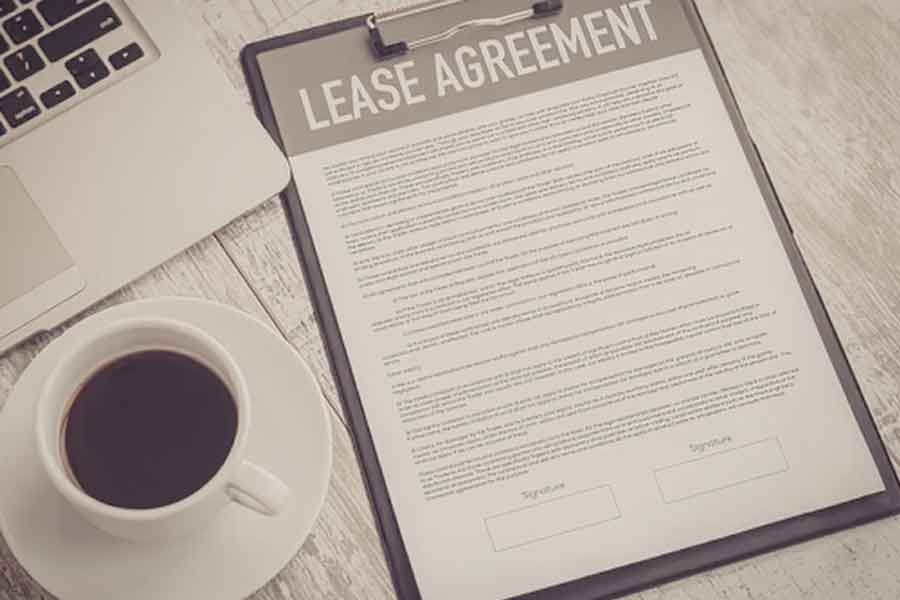
Signing your first-time rental lease is exciting, but it is also a legally binding commitment that deserves a careful read. As a first-time renter, understanding your lease helps you avoid surprises, protect your rights, and build a positive relationship with your landlord or property management company.
What Is a Rental Lease Agreement?
A rental lease agreement is a written contract between you, the tenant, and the property owner or property management company that outlines the terms of your stay. In Maryland, leases typically spell out how long you can live in the home, how much you pay in rent, and what both parties are responsible for during the lease term.
Most apartment leases in Montgomery County, MD run for 12 months, but some landlords offer shorter or longer terms depending on the property and your needs. Regardless of the length, always remember that your lease is legally enforceable, so it is essential to understand every section before you sign. Here are some things to consider:
1. Lease Term, Rent Amount, and Due Dates
One of the first sections to review in your lease is the basic business terms: the lease term, monthly rent amount, and when rent is due. Look for answers to these questions:
- How long is the lease term, such as 12 months or longer?
- What is the exact monthly rent, and which payment methods are accepted?
- On what date is rent due each month, and is there a grace period?
- What late fees apply if rent is paid after the due date?
Knowing these details upfront helps you budget effectively and avoid late fees that can add up over time.
2. Security Deposits and Fees in Maryland
For first-time renters in Montgomery County, MD, security deposits can be confusing. Your lease should clearly explain the security deposit amount, any separate move-in or pet fees, and the conditions that could lead to deductions. It should also describe how and when the deposit may be returned after move-out, assuming the lease terms have been met and the property is left in good condition.
Understanding how your security deposit works gives you peace of mind and encourages you to take great care of your rental home.
3. Maintenance Responsibilities: Who Does What?
A common question for first-time renters is, “Who handles what when something breaks?” A well-written lease should spell out maintenance responsibilities for both tenants and landlords.
- Typically, the landlord or property management company is responsible for maintaining the property’s safety and habitability, handling major repairs, and addressing issues such as plumbing, heating, and structural concerns.
- As a tenant, you are usually responsible for everyday upkeep, promptly reporting maintenance concerns, and taking reasonable steps to prevent damage.
If you work with a professional property management firm like Noahs’ Preferred Properties, you may also benefit from a more streamlined maintenance request process and faster communication.
4. Pet Policies, Parking, and Amenities
Many renters choose a home based on lifestyle features such as pet-friendliness, parking options, and community amenities. Your lease should outline the rules in each of these areas so there are no surprises later.
Key points to look for include whether pets are allowed, applicable pet deposits or monthly pet rent, breed or weight restrictions, assigned parking details, guest parking rules, and policies for amenities such as pools, fitness centers, or shared spaces. Understanding these terms helps you avoid unexpected charges and ensures you make the most of everything your rental community offers.
5. Rules for Changes, Guests, and Subletting
First-time renters sometimes want to personalize their space or host guests, unaware that the lease may set specific boundaries. Before hanging shelves, repainting walls, or allowing a long-term guest to stay, check your lease carefully.
Many leases include clear guidelines on what changes are allowed, how long guests may stay, and whether subletting is permitted. Staying within these guidelines protects your security deposit and helps maintain a positive relationship with your property manager.
6. Renewal, Move-Out, and Notice Requirements
It is smart to plan for the end of your lease term. Your lease should explain how renewals work, how much notice you must give if you plan to move out, and what steps you must take when the lease ends. Common requirements may include written notice before the end of the term, move-out inspection procedures, cleaning expectations, and instructions for returning keys or parking passes.
Following these steps can help support a smoother move and a more timely return of your security deposit.
7. When to Ask Questions
If you are unsure about any part of your lease, ask before you sign. A reputable property management company should be willing to explain unclear language and help you understand your responsibilities.
For renters searching in Germantown, Bethesda, Rockville, Gaithersburg, or elsewhere in Montgomery County, working with an experienced local company can make the leasing process feel much less intimidating.
Understanding your lease is one of the most important steps you can take as a renter. By reviewing key sections such as rent, deposits, maintenance responsibilities, pet policies, and renewal terms, you can begin your rental experience with greater confidence.
If you are looking for rental properties in Montgomery County, Noahs’ Preferred Properties offers local expertise and a strong focus on rental housing. Contact us today!


Rentals is all we do!
With so many rental properties in Montgomery County, MD, and leases written, there’s little we haven’t experienced.
Recent Articles